
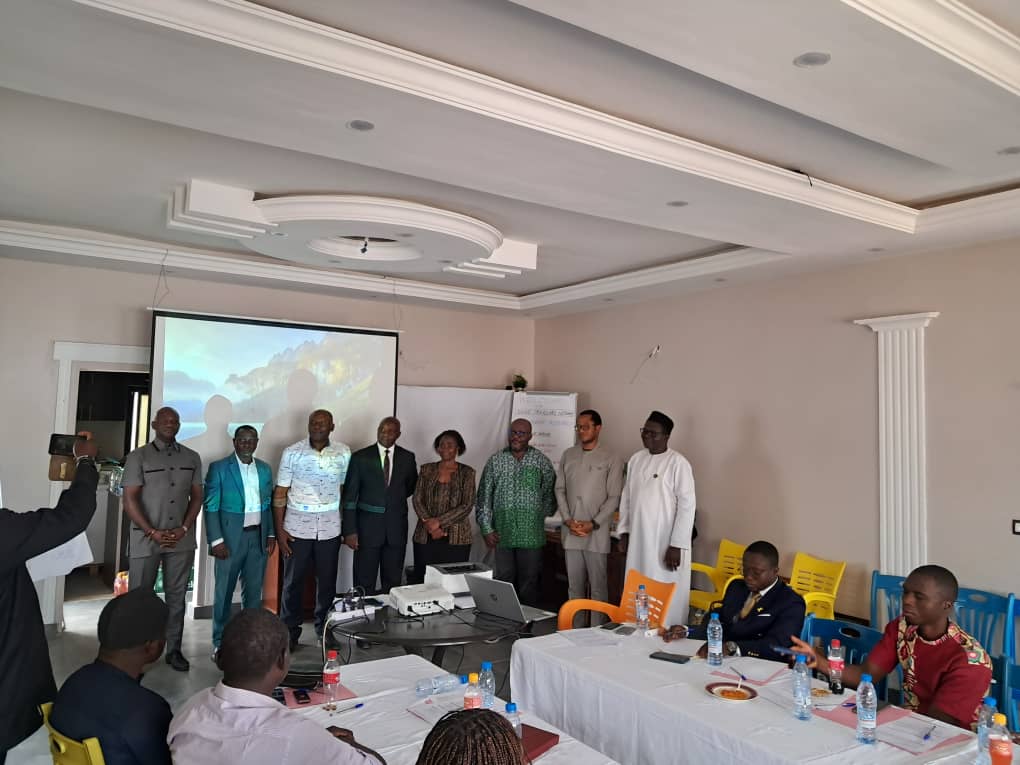

DTN's 2026-2030 Strategic Plan sets out a clear response to youth unemployment and underemployment in Cameroon. It turns research findings and field realities into strategic priorities focused on employability, self-employment, quality training, and collective action.
Divine Treasures Network (DTN) developed its 2026-2030 Strategic Plan to provide a clear direction for how the organization will contribute to reducing youth unemployment and underemployment in Cameroon over the next five years.
The plan is rooted in DTN's mission, field experience, consultations, and research findings. It responds to a difficult reality: many young people are full of potential, but remain blocked by limited practical skills, weak access to opportunity, poor career guidance, and systems that do not connect learning strongly enough to decent work.
DTN's Strategic Plan is therefore not just a planning document. It is a commitment to move from concern to action.
Four major priorities.
The first is empowering youth for self-employment. DTN wants to help young people strengthen entrepreneurial skills, build confidence, access mentorship, and take practical steps toward building sustainable livelihoods.
The second is linking trained youth to employment opportunities. Training is important, but training alone is not enough. DTN aims to work with quality partner institutions so that young people are not only trained, but also better connected to real opportunities in the labour market.
The third priority is improving quality in youth counseling, education, and training. DTN believes that the gap between education and work must be addressed through stronger standards, better guidance, and more practical models of learning, including approaches that give young people meaningful exposure to real work environments.
The fourth priority is engaging all stakeholders through awareness and advocacy. Youth unemployment is not a challenge that can be solved by young people alone. Families, institutions, communities, public authorities, the private sector, and civil society all have a role to play in building an environment where young people can thrive.
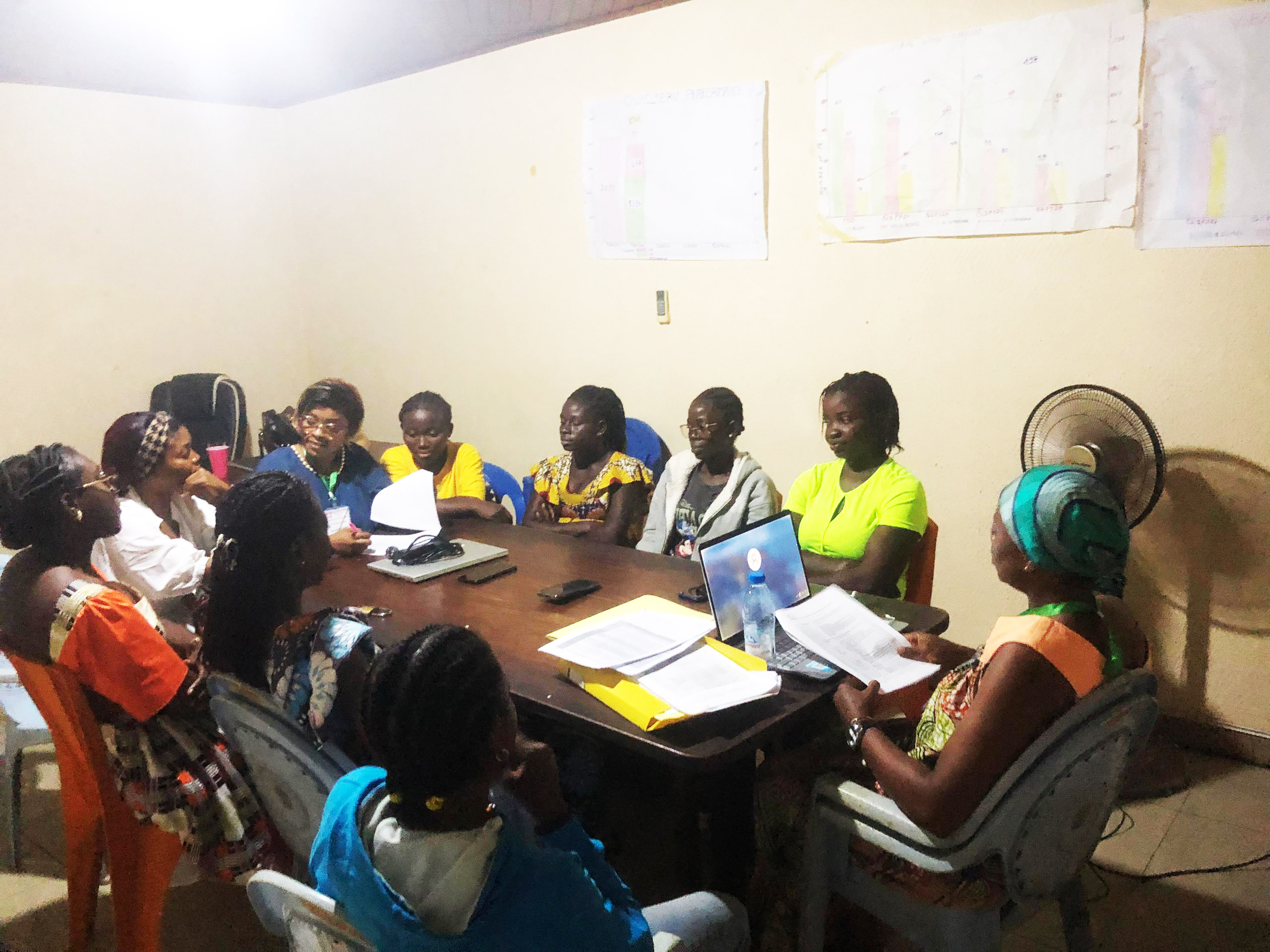
The strategic plan also sets a longer-term direction for what impact should look like by the end of 2030. Supporting materials linked to the plan point toward ambitious but practical goals, including stronger job creation, more young people in decent work, better standards among partner institutions, and a stronger national role for DTN in youth employability.
What makes this plan important is that it builds directly on evidence. DTN's earlier research on youth unemployment and underemployment helped reveal the real barriers facing youth. The strategic plan takes those findings seriously and turns them into a practical framework for action.
For DTN, strategy is not only about growth as an organization. It is about becoming more useful to young people, more credible to partners, and more effective in contributing to social and economic transformation in Cameroon.
As DTN moves forward with this strategic direction, collaboration will be essential. Institutions, communities, professionals, development actors, and supporters who care about youth employability all have a role to play.
DTN remains committed to working through its four pillars, Counseling, Education, Training, and Employability, to help more young people move from potential to purpose, from talent to skills, and from skills to real opportunity.
To learn more about DTN's strategic direction or explore opportunities for partnership, follow our updates or contact the organization directly.