

DTN's baseline study in Douala, Garoua, and Yaounde confirms that youth unemployment in Cameroon is not just about the absence of jobs. It is also about the weak link between education, practical skills, career guidance, and real employment opportunities.
Divine Treasures Network (DTN) carried out a baseline study to better understand the real causes, consequences, and coping mechanisms linked to youth unemployment and underemployment in Cameroon.
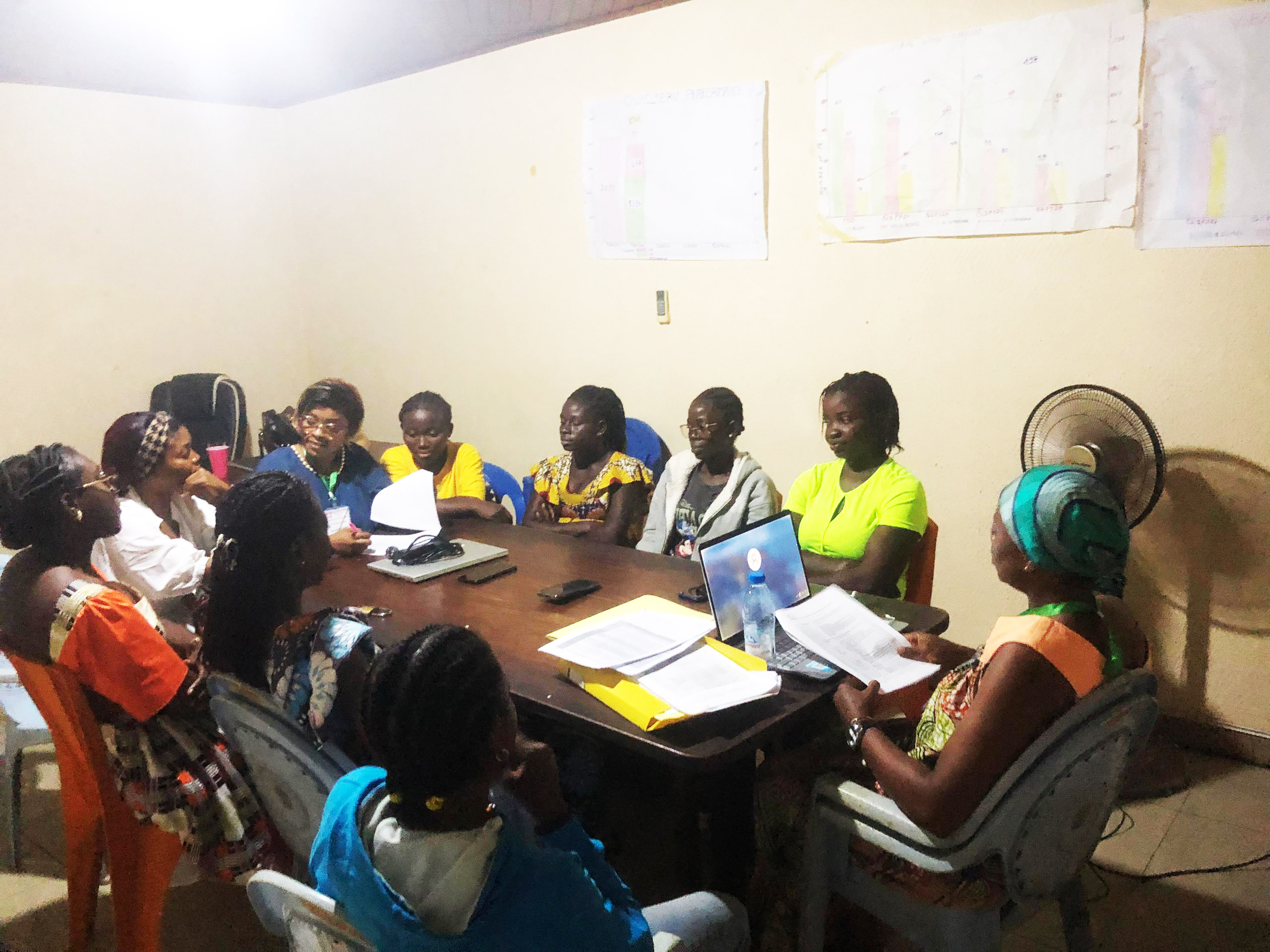
The study was designed to generate evidence that can guide action. It focused on three cities, Douala, Garoua, and Yaounde, and drew on Focus Group Discussions, Key Informant Interviews, and desk review findings on the education and training system.
The findings are clear: youth unemployment is not a simple problem with a simple answer. It is the result of several connected barriers that continue to block young people from moving successfully from education and training into decent work.
According to the study, one of the biggest challenges is the mismatch between training and labour market needs. Many young people leave school with theoretical knowledge, but without the practical, technical, and soft skills employers are looking for. This makes the transition from learning to earning much harder than it should be.
The study also found that access to information and opportunity remains highly unequal. Recruitment processes are often unclear, professional networks are limited, and many young people, especially those outside major urban centers, struggle to access useful guidance, job leads, and career development support.
Another major concern is the weakness of technical and vocational systems. Although technical and professional training structures exist, many remain under-resourced, poorly connected to industry, and too theoretical in practice. Internships and apprenticeships are still limited and often do not provide the structured professional exposure young people need.
Career guidance and counseling also emerged as a major gap. Many schools and universities do not provide young people with the support they need to understand their talents, make informed career choices, or prepare for the realities of employment and entrepreneurship.
The consequences are serious. The study highlights economic dependency, frustration, poor mental well-being, precarious work, and a growing interest in migration among young people who feel blocked from meaningful progress. At the same time, the study also shows that youth continue to demonstrate resilience, creativity, and determination through self-employment, skill diversification, apprenticeships, and community support systems.
DTN's baseline study engaged 120 youth in 15 Focus Group Discussions, alongside 30 Key Informant Interviews with actors from public institutions, communities, civil society, training systems, and related sectors. This gives the findings both depth and practical relevance.
For DTN, the lesson is clear: the response to youth unemployment must go beyond motivation alone. It must include counseling, quality education, practical training, employability support, stronger partnerships, and advocacy that addresses the systems around young people, not just the young people themselves.
This is why DTN works through four core pillars: Counseling, Education, Training, and Employability.
The baseline study is not the end of the conversation. It is the beginning of more focused action. DTN remains committed to working with institutions, communities, and partners to turn evidence into practical solutions that help more young people move toward purpose, dignity, and decent livelihoods.
To learn more about DTN's work or request the full baseline study, contact DTN or follow our latest updates on this website and on social media.