
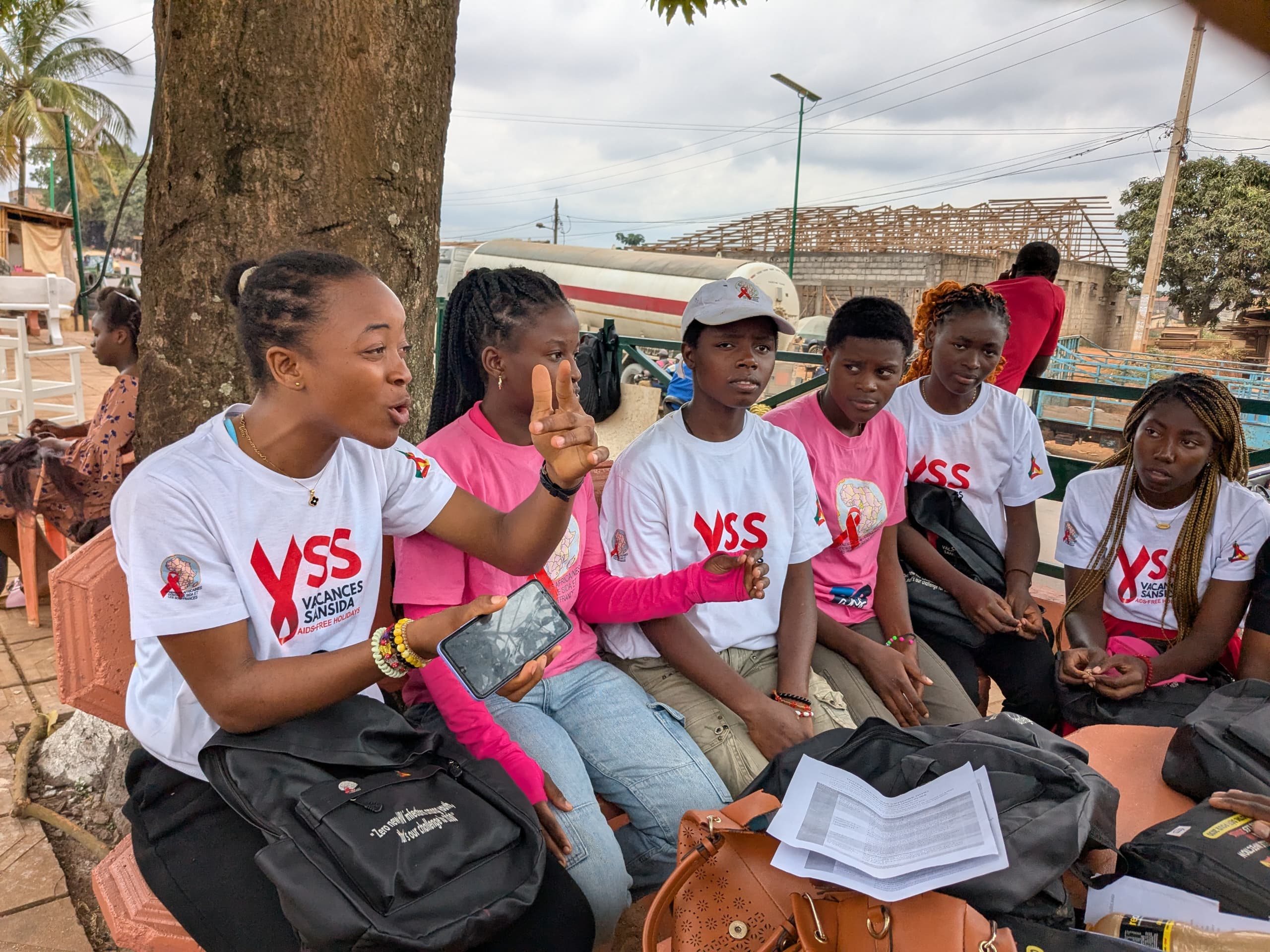

In January 2025, Divine Treasures Network (DTN) was formally established during its Constituent General Assembly. That moment marked the birth of a vision shaped not by theory, but by reality — the lived experiences of young people across Cameroon.
Throughout 2025, DTN took time to listen and plan. Through structured engagements, focus group discussions, and field interactions, young people consistently shared the same concern: education alone is no longer enough. Many graduate without clear direction, practical skills, or access to opportunities. DTN was created to respond to this gap.
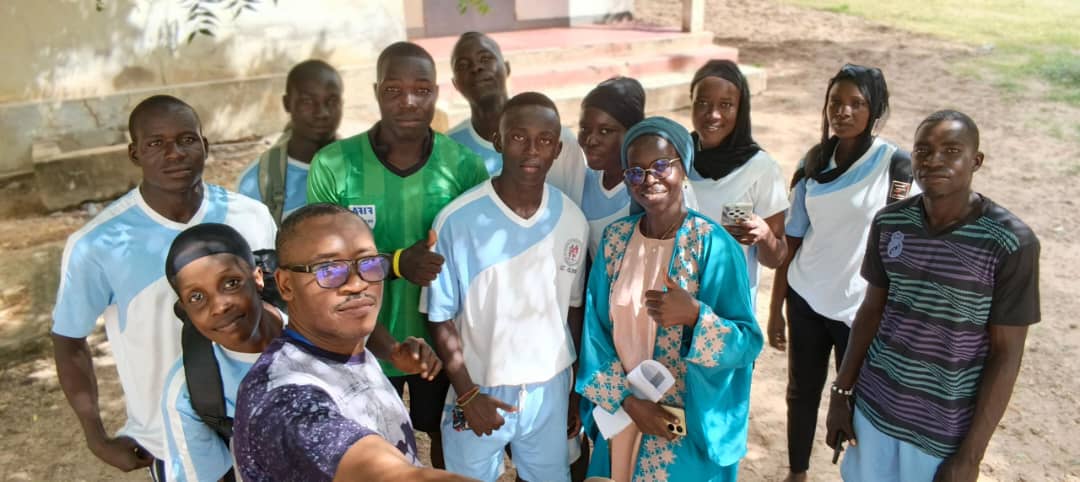
Why Divine Treasures Network Exists: What Cameroon’s Youth Told Us
Across Cameroon, young people are speaking with one voice: “Our lecture rooms are full… we study books, not how to work.”
This statement, captured during DTN’s baseline study, reflects a reality shared by thousands of youth — ambitious, educated, talented, yet unable to transition into meaningful work.
When Divine Treasures Network (DTN) was founded in early 2025, it was not built on assumptions, but on evidence. Our team engaged over 120 young people across Yaoundé, Douala, and Garoua in focus group discussions, alongside 30 key informant interviews with employers, educators, councils, NGOs, and community leaders. The goal was simple: understand the true drivers of youth unemployment and underemployment, and design a response shaped by youth voices themselves.
What We Found
Youth unemployment in Cameroon is not caused by a single issue. Instead, it is shaped by overlapping challenges:
-
Mismatched skills: Youth leave school with theory but lack practical skills demanded by employers.
-
Limited information: Most youth don’t know where opportunities exist or how to access them.
-
Under-resourced training: Many TVET centres lack modern tools, partnerships, or certified instructors.
-
Poor career guidance: Young people often make career decisions without mentorship or counseling.
-
Economic pressure: With few decent jobs, many settle for survival jobs or unpaid informal work.
-
Weak coordination: Government, private sector, NGOs, and training institutions often work in isolation.
(Findings referenced in DTN Baseline Study)
Yet, despite these challenges, youth also showed resilience — creativity in hustling to survive, willingness to learn new skills, and strong interest in entrepreneurship, digital work, and vocational training.
Why DTN Was Created
DTN was born to provide a structured, faith-honoring, evidence-driven solution that empowers youth through four transformation pillars:
-
Counseling – to restore confidence, purpose, and direction.
-
Education – to guide youth toward informed, productive choices.
-
Training – to equip them with practical, market-relevant skills.
-
Employability – to link trained youth to real opportunities.
Our five-year Strategic Plan (2026–2030) further outlines how DTN will support self-employment, job placement, quality standards in training institutions, and national advocacy to reduce youth unemployment.
A Youth-Driven Mission
The official launch of DTN on 6 February 2026 marks the beginning of a national movement. DTN’s mission is grounded in scripture — 1 Peter 4:10 — and in a commitment to help every young person discover their God-given purpose and walk into a life of fullness and dignity.
Cameroon’s youth are not a problem to solve; they are the nation’s greatest resource. DTN is here to listen, guide, train, and connect them to the opportunities they deserve.